



Holistic Mental Health Therapy
our therapists can help with
- Anxiety
- Depression
- (Chronic) Stress
- Trauma
- Addiction
- Marriage and Relationship Conflict
- Identity Crisis
- Parental Support
Therapy for the Whole Self
Mind Garden is your sanctuary for holistic psychotherapy. Holistic psychotherapy is a type of therapy that considers the mind, body, and spirit as interconnected parts of a whole. It’s based on the idea that issues in one area of a person’s life can impact other areas, and aims to help people heal and grow on a deeper level.
We provide a comprehensive range of therapeutic options designed to support your journey toward emotional and psychological well-being. Our dedicated team of licensed therapists utilizes various evidence-based modalities to cater to your unique needs including cognitive, behavioral, mindfulness-based and somatic therapy. Cognitive and behavioral modalities can help you identify and transform negative thought patterns and behaviors to enhance mental health and overall well-being. Our mindfulness-based therapies focus on increasing awareness and acceptance of the present moment to reduce stress and improve emotional regulation. Our somatic therapy options integrate mind and body in the healing process, addressing physical and emotional experiences for holistic healing and well-being.
At Mind Garden, we believe in treating the whole person, not just the symptoms, for meaningful results. Our holistic approach ensures that we address the interconnected aspects of your mental, emotional, and physical health. Let us support you on your journey to a more balanced and fulfilling life.
our primary modalities:
- Emotionally Focused Therapy (EFT) for Couples: Using EFT, couples are supported in increasing connection and improving communication that has become stagnant. Emotionally Focused Therapy involves developing new communication patterns that create warmth, understanding, and acceptance. Therapy enables couples to share their needs and discuss conflict in a way that draws their partner closer and changes long standing patterns of communication that no longer work.
- Brainspotting: Brainspotting involves the client and therapist identifying "brainspots," specific eye positions linked to emotional or physical distress. Focusing on these spots helps the client access and process deeply rooted trauma stored in the brain and body. This method leverages the brain's natural ability to self-heal by bypassing the conscious mind and accessing the unconscious. Identifies and releases neurophysiological sources of emotional and physical pain.
- Somatic (Body-Based) Psychotherapy: Somatic approaches, such as Hakomi and Polyvagal-Informed Therapy, allow the therapist to help clients become aware of bodily sensations, emotions, and thoughts as they arise, using these experiences as gateways to understanding and healing past traumas or ingrained behaviors. Somatic Therapy is rooted in the belief that the body holds memories and experiences that can inform the therapeutic process, allowing for a deeper and more holistic understanding of the self. Somatic Therapy enhances emotional regulation and resilience by working with the autonomic nervous system.
- Cognitive Behavioral Therapy (CBT): CBT combines cognitive therapy and behavioral therapy to help people treat mental and emotional health issues. CBT is problem-oriented and focuses on helping people work through current problems. It's based on the idea that psychological problems can be caused by unhelpful ways of thinking and learned behaviors, and that people can learn better ways to cope with them.
- Gorski Relapse Prevention: The Gorski-CENAPS Model of Recovery and Relapse Prevention (The CENAPS Model) is a comprehensive system for diagnosing and treating substance use disorders, co-occurring mental disorders, personality disorders, and situational life problems. The CENAPS Model integrates addiction-specific treatment methods with state-of-the-art cognitive, affective, behavioral, and social therapies. The CENAPS Model is a research-based system that utilizes the strengths of a wide variety of clinical models while allowing for the integration of new research findings and the ability to adapt to current programmatic and fiscal constraints. The CENAPS Model is designed to be used in cross-disciplinary environments staffed by multidisciplinary treatment staff. Using plain, no-nonsense language to be easily relatable to all, the CENAPS Model can be easily adapted to the personal clinical style of therapists and program managers while meeting the individualized recovery needs of clients. To learn more about this model, visit https://www.cenaps.com/
Our therapists
Leonardo A. Martinez
Co-Founder, LCSW, CADCII, SAP, ACRPS
While I’m not currently accepting new clients, I remain deeply grateful for the opportunity to have served others through my work in mental health care. As a husband, the father of three children, a former Marine, and a person in long-term recovery from addiction, I believe each day is …
Sabine Martinez
MA, AMFT, Somatic Therapist
Hello! I’m Sabine and I am a Registered Associate Marriage and Family Therapist. My work in the field of wellness and mental health began back in 2013. With a heart for exploration, I’ve traversed the globe, drawing from my experiences back home in the Netherlands, as well as work abroad in Spain, South Africa, Australia, Thailand, and here in the US. Along the way, I have …
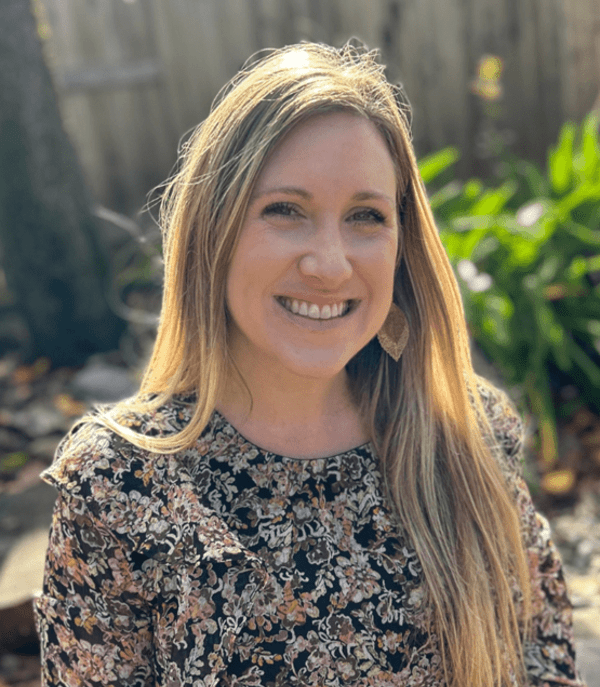
Erin Miguelgorry
LMFT
So often, our emotional world becomes a backseat to the chatter in our brain and busy lives. I want to help slow down that experience and bring our awareness back to the present. Ever since I was a teenager, I believed that if everyone just had someone to talk to, really talk to, then we would be better off as humans